Introducing The World’s Smallest Active Micro Fan for Smart Glasses
The industry’s first solid-state µCooling chip purpose-built for AR, XR and AI powered smart glasses.
1mm
Thin
70mW
Power
Up to 10cc/s
Airflow
IP68
Water and Dust
Break the thermal wall holding back the next generation of AI wearables
Features & Benefits:
Break Through Thermal Limits Up to 10C cooling at 1W thermal load
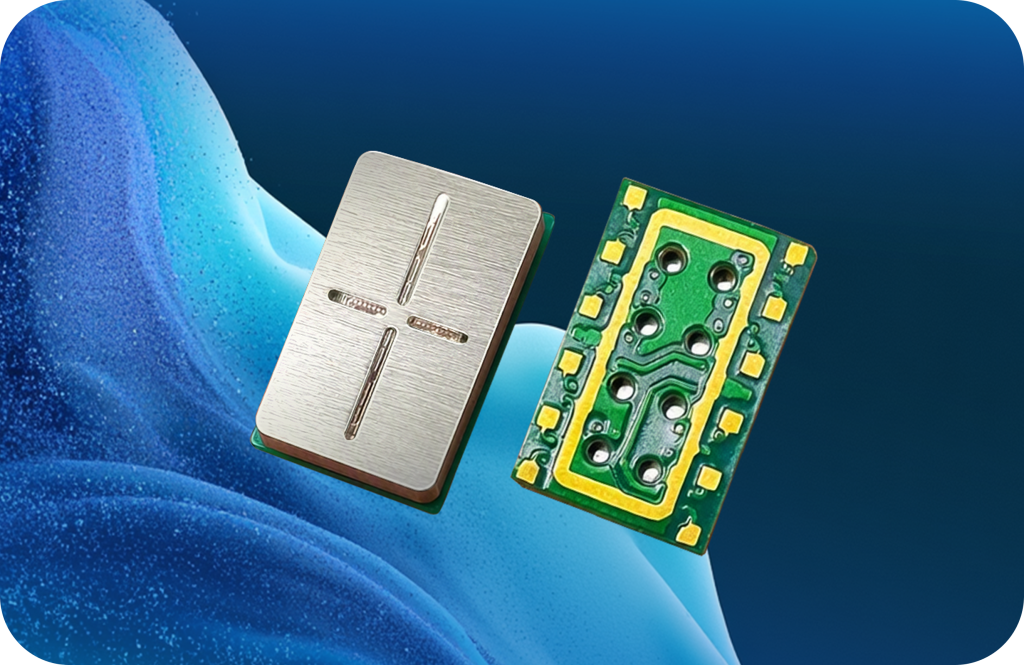
Designed for Space-Constrained Wearables Just 46mm2 footprint
Cooling Without Compromise Only 70mW typical power consumption
Sustain Peak AI Performance Purpose-built for AR, XR, and AI-powered smart glasses
Challenges
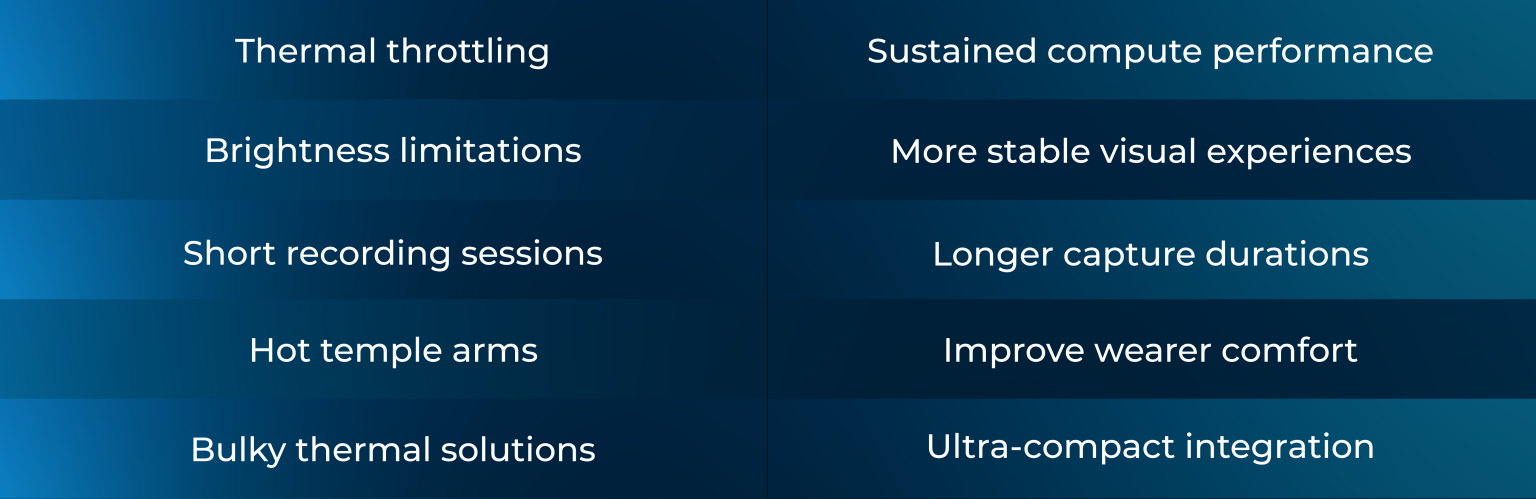
The next-generation of glasses need active cooling, without the bulk.
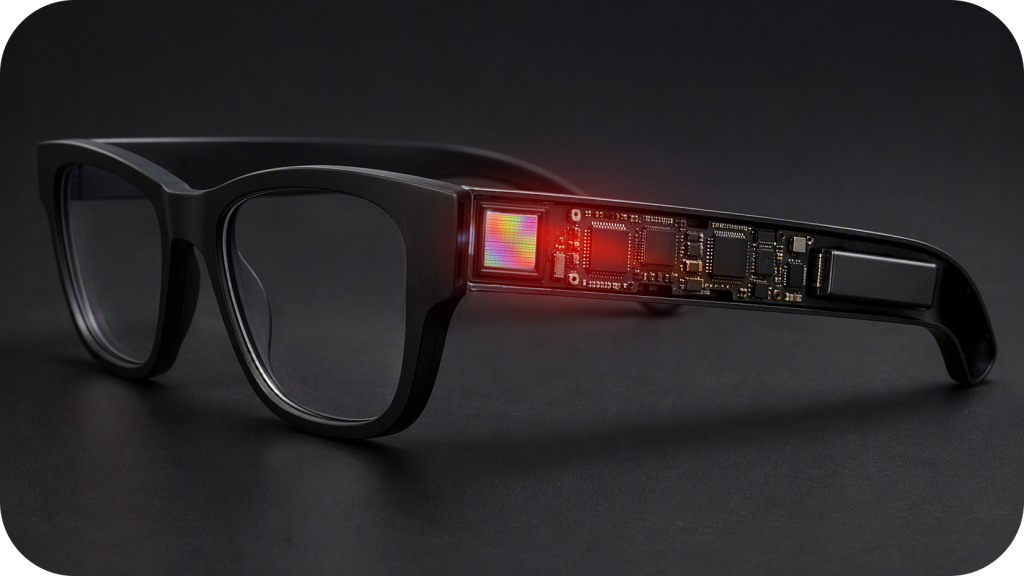
As AI, computer vision, translation, and high-resolution video capabilities move into smart glasses, heat has become one of the industry’s biggest design challenges.
xMEMS XMC-1200 Solution
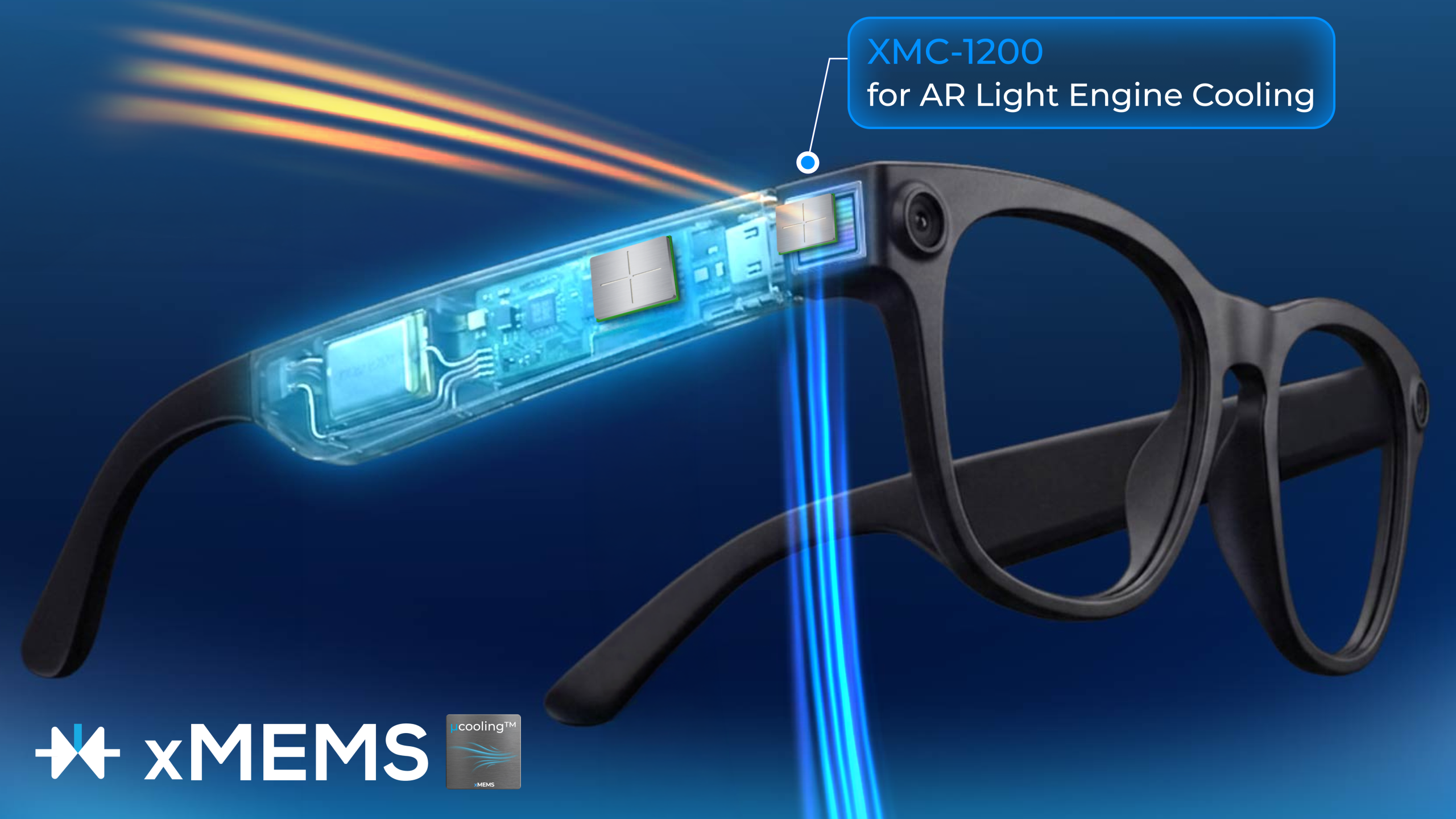
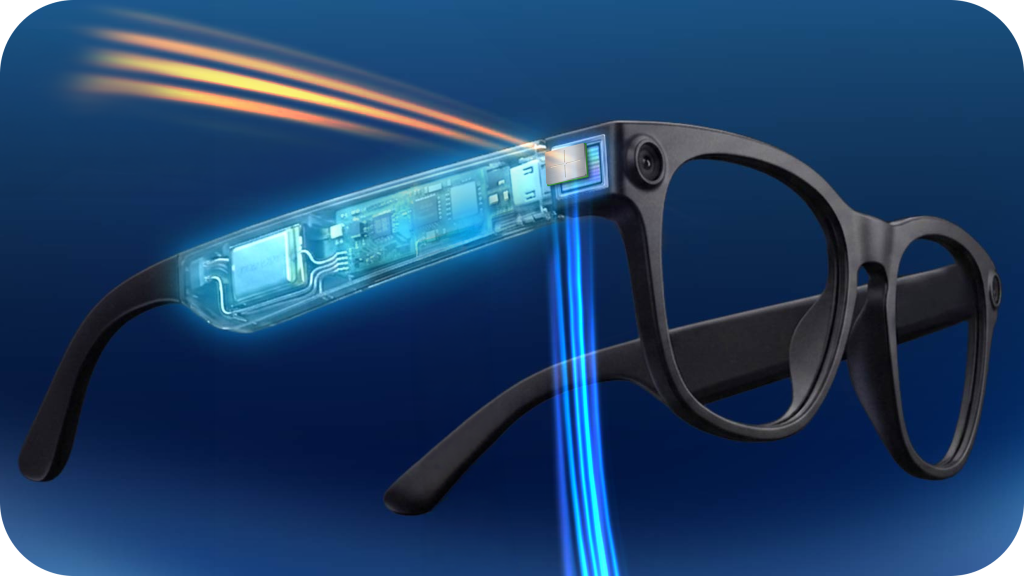
Cooling Where Heat is Generated
Unlike traditional fans that cannot fit inside smart glasses, XMC-1200 delivers targeted active cooling directly at the source.
Engineering samples are now available under NDA for qualified OEMs and technology partners.
Thank you for Signing Up
Frequently Asked Questions (FAQs)
Why do AI smart glasses get hot?
AI smart glasses generate heat from processors, computer vision engines, cameras, displays, and on-device AI workloads. As features such as real-time translation, image recognition, and AI assistants become more advanced, thermal management becomes one of the biggest challenges in wearable design. XMC-1200 provides targeted active cooling directly where heat is generated.
How do smart glasses stay cool?
Most smart glasses rely primarily on passive cooling methods, which spread heat but do not actively remove it. The XMC-1200 introduces active cooling in a form factor small enough for smart glasses, helping reduce temperatures while maintaining comfort and sustained performance.
Can AI glasses run powerful AI models without overheating?
Running AI workloads continuously can create thermal buildup that impacts performance and comfort. Active cooling solutions like XMC-1200 help smart glasses maintain lower operating temperatures, enabling more sustained AI processing without excessive thermal throttling.
What causes thermal throttling in smart glasses?
Thermal throttling occurs when the surface temperatures of the glasses that contact our skin (temples and nose) exceed safe operating limits, requiring processors to reduce performance to control heat. In smart glasses, workloads such as computer vision, spatial computing, video recording, and AI inference can increase temperatures quickly. Active cooling helps delay or prevent throttling by expelling, not just spreading heat at the source.
Is there a fan small enough for smart glasses?
Yes. The xMEMS XMC-1200 is designed specifically for smart glasses and wearable devices. At a 46 mm² footprint and approximately 1 mm thin, it delivers active cooling in spaces where traditional rotary fans cannot fit.